
Heart Health · By Total Access Medical ·
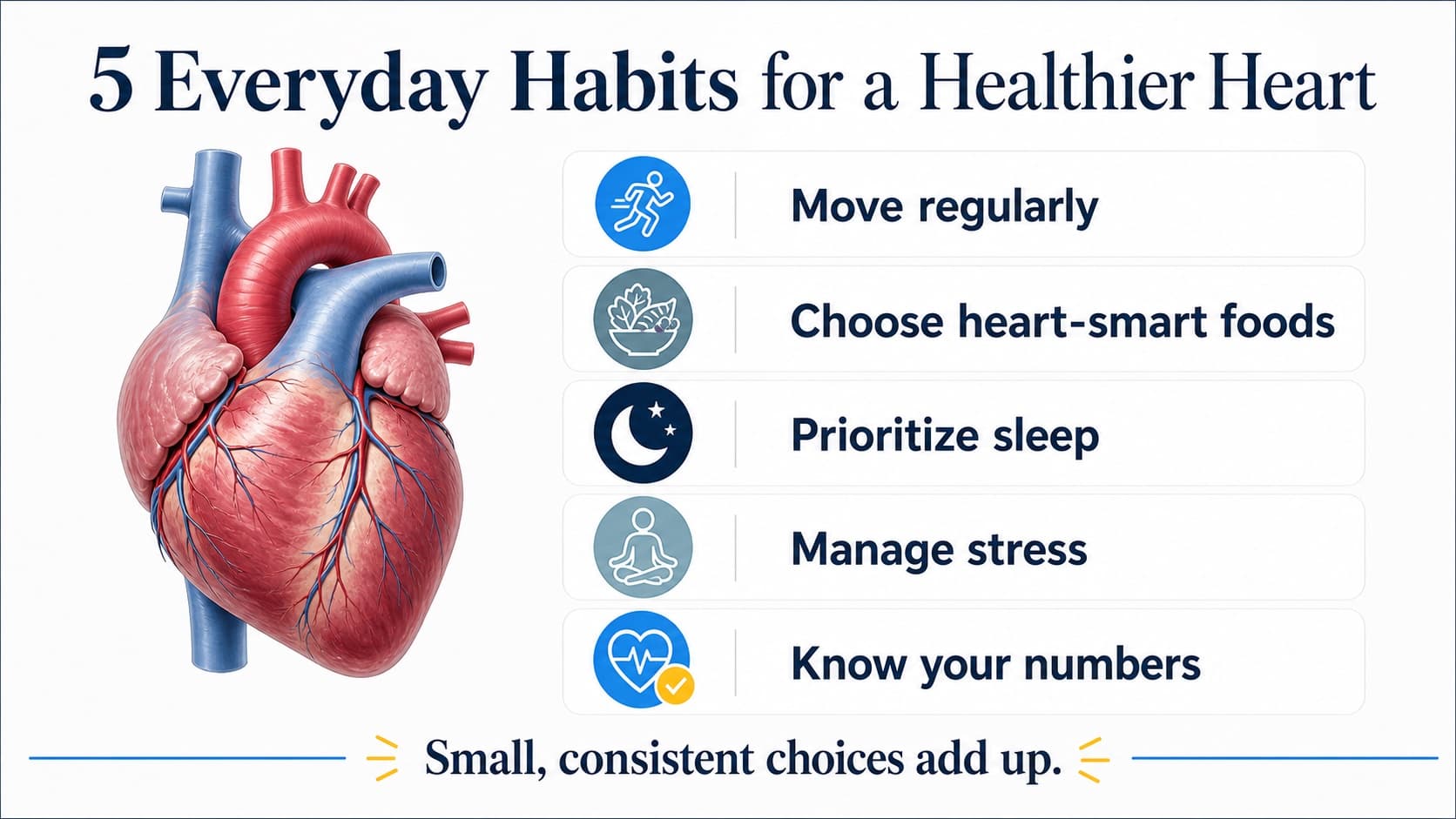
5 Everyday Habits for a Healthier Heart
Support long-term heart health with five practical habits for movement, nutrition, sleep, stress management, and preventive care.
Cardiovascular diseases involve the blood vessels, the heart, or both. The cardiovascular or circulatory system supplies the body with blood.
Heart Health · By Total Access Medical ·
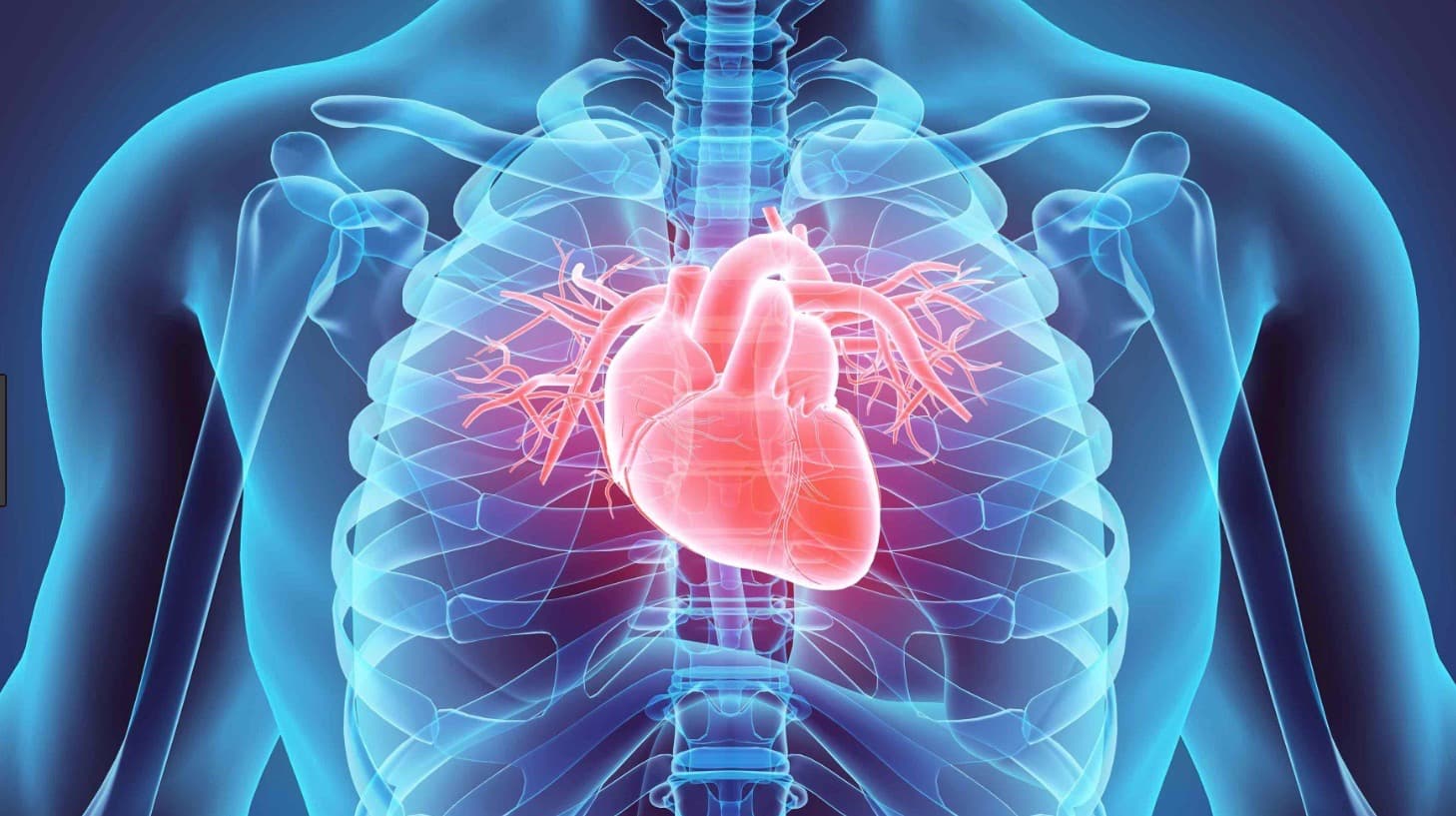
Cardiovascular diseases involve the blood vessels, the heart, or both. The cardiovascular or circulatory system supplies the body with blood. It consists of the heart, arteries, veins, and capillaries. There are several types of cardiovascular disease, but treatment, symptoms, and prevention often overlap.
Treatment
One of the most common symptoms of cardiovascular disease is chest pain, which may indicate angina. Treatment will depend on the type of condition the person has.
Options include: lifestyle adaptations, such as weight control, exercise, quitting smoking, and dietary changes, medication, surgery, such as coronary artery bypass grafting, cardiac rehabilitation, including exercise and counseling.
Treatment aims to relieve symptoms, reduce the risk of the condition recurring or worsening and prevent complications.
Symptoms
There are many different types of cardiovascular disease. Symptoms will vary, depending on the specific type of disease a patient has.
However, typical symptoms of an underlying cardiovascular issue include:
Noteworthy: What Are The Major Risk Factors For Heart Disease
Noteworthy: How Stress Influences Your Risk For Heart Disease and Stroke
Noteworthy: Tips For A Diabetes Management Plan
Risk factors
Researchers from the Northwestern University Feinberg School of Medicine reported in JAMA that the lifetime risk for cardiovascular disease is more than 50 percent for both men and women. They added that even among those with few or no cardiovascular risk factors, the risk is still more than 30 percent.
Risk factors associated with cardiovascular disease include:
Causes
Important causes of cardiovascular disease include atherosclerosis, when fatty deposits accumulate in the arteries.
Damage to the circulatory system can also result from diabetes and as the result of other health conditions, such as a virus, an infection, or a structural problem that the person was born with.
It often involves high blood pressure, but this can be both a cause and a result of cardiovascular disease.
Prevention
Smoking is a significant risk factor for cardiovascular diseases. Quitting can help reduce the risk of many other conditions.
The majority of cardiovascular diseases are preventable. It is important to address risk factors by:
Children who eat a lot of salt have a much higher risk of hypertension when they are adults, as well as heart disease and stroke. Parents should also keep a close eye on how much saturated fat and sugar a child consumes.
Heart Health · By Total Access Medical ·
Support long-term heart health with five practical habits for movement, nutrition, sleep, stress management, and preventive care.

Heart Health · By Total Access Medical ·
Irregular or insufficient sleep increases your risk of cardiovascular disease.

Heart Health · By Total Access Medical ·
If you have high blood pressure, the force of the blood pushing against the artery walls is consistently too high. The heart has to work harder to pump blood.

Unhurried, deeply personal primary care from a physician who truly knows you.
Questions? Speak directly with our team
610-667-9980