
Health · By Total Access Medical ·
Why You Should Eat Less Sugar During This Holiday Season
The key is to get rid of the white sweetness in your diet and you'll free up your body to drop excess pounds.
Iron is an essential mineral that is required for our bodies to function properly.
Nutrition · By William Kirkpatrick ·

Without question, more human health problems worldwide are caused by iron deficiency than by lack of any other nutrient. Less well known is the fact that iron overload is responsible for a large number of illness worldwide.
Why Do We Need Iron?
Iron is an essential mineral that is required for our bodies to function properly. The primary reason we need iron is that it is an important component of hemoglobin, which helps transport oxygen throughout the body.
Hemoglobin represents about two-thirds of the body’s iron. If you don't have enough iron, your body can't make enough healthy oxygen-carrying red blood cells, which is called iron deficiency anemia. If you're not getting sufficient oxygen in the body, you're going to become fatigued. That exhaustion can affect everything from your brain function to your immune system's ability to fight off infections.
If you're pregnant, severe iron deficiency may increase your baby's risk of being born too early, or smaller than normal.
Iron is also necessary to maintain healthy skin, hair, and nails.
Health Problems Associated With High and Low Iron
Having just the right amount of iron is important. Here is a list of diseases associated with low iron levels and iron overload.
Diseases Associated with Low Iron Levels | Diseases Associated with Iron Overload |
Anemia | Anemia of chronic disease |
Fatigue | Insulin resistance, type II diabetes |
Fibromyalgia | Premature aging |
Inflammatory bowel disease | Atherosclerosis |
Hypothyroidism | Anorexia |
Depression / Anxiety | Grave's disease |
ADHD | Heart arrhythmia |
Parkinson's disease | Cancer |
Celiac disease | Nonalcoholic fatty liver disease |
Restless leg syndrome | Liver damage and liver disease |
Hair loss | Still's disease |
Muscle weakness | Hemochromatosis |
Memory loss / mental changes | Hemophagocytic syndrome |
Which foods provide iron?
Probably the best known nutrition fact about iron is that meats—particularly red meats—are rich in iron. Other foods high in iron include beans, pumpkin seeds, squash seeds, raisins and dried fruit, eggs, seafood such as sardines, clams, shrimp and oysters. A number of plant foods are also rich in iron such as leafy green vegetables - spinach, legumes, cumin, and parsley.
If you think you are iron deficient or are experiencing iron overload than consult your doctor as soon as possible.
Health · By Total Access Medical ·
The key is to get rid of the white sweetness in your diet and you'll free up your body to drop excess pounds.
Health · By Total Access Medical ·
The key is to get rid of the white sweetness in your diet and you'll free up your body to drop excess pounds.
Heart Health · By Total Access Medical ·
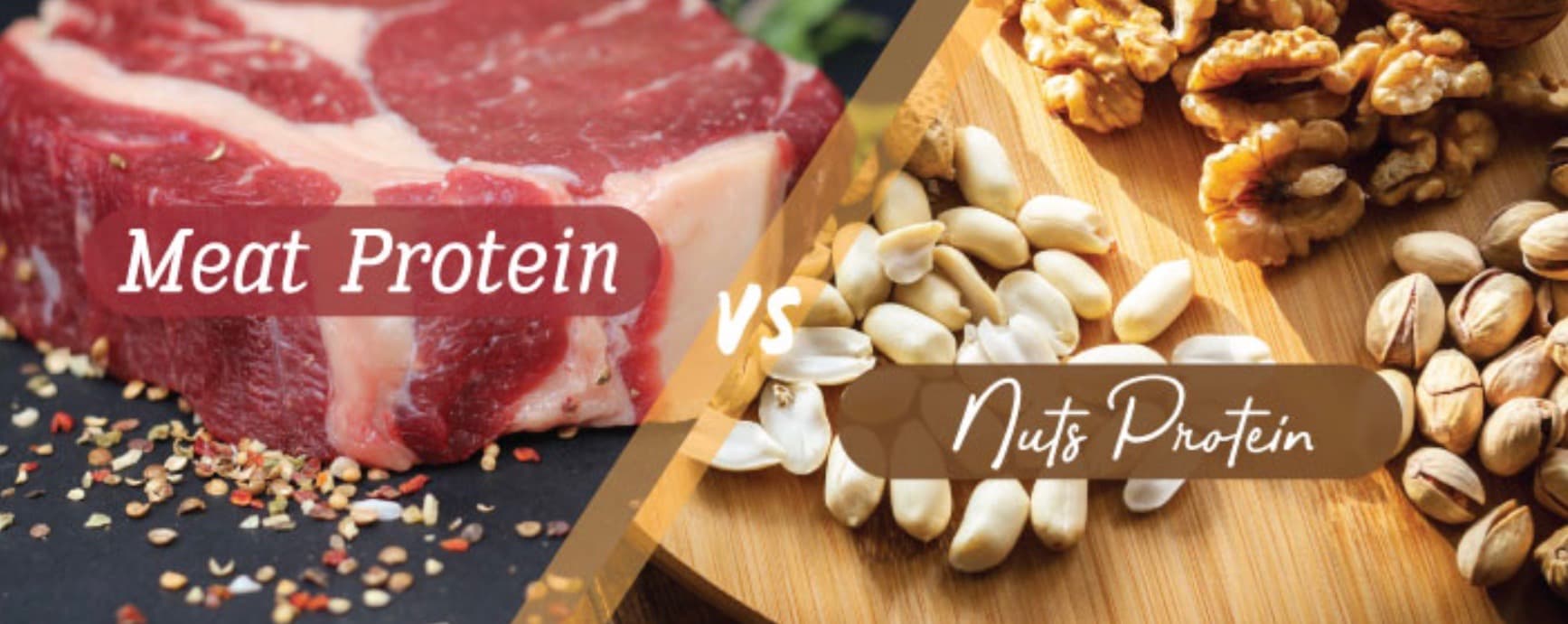
Meat protein is associated with a sharp increased risk of heart disease while protein from nuts and seeds is beneficial for the human heart.

Unhurried, deeply personal primary care from a physician who truly knows you.
Questions? Speak directly with our team
610-667-9980