
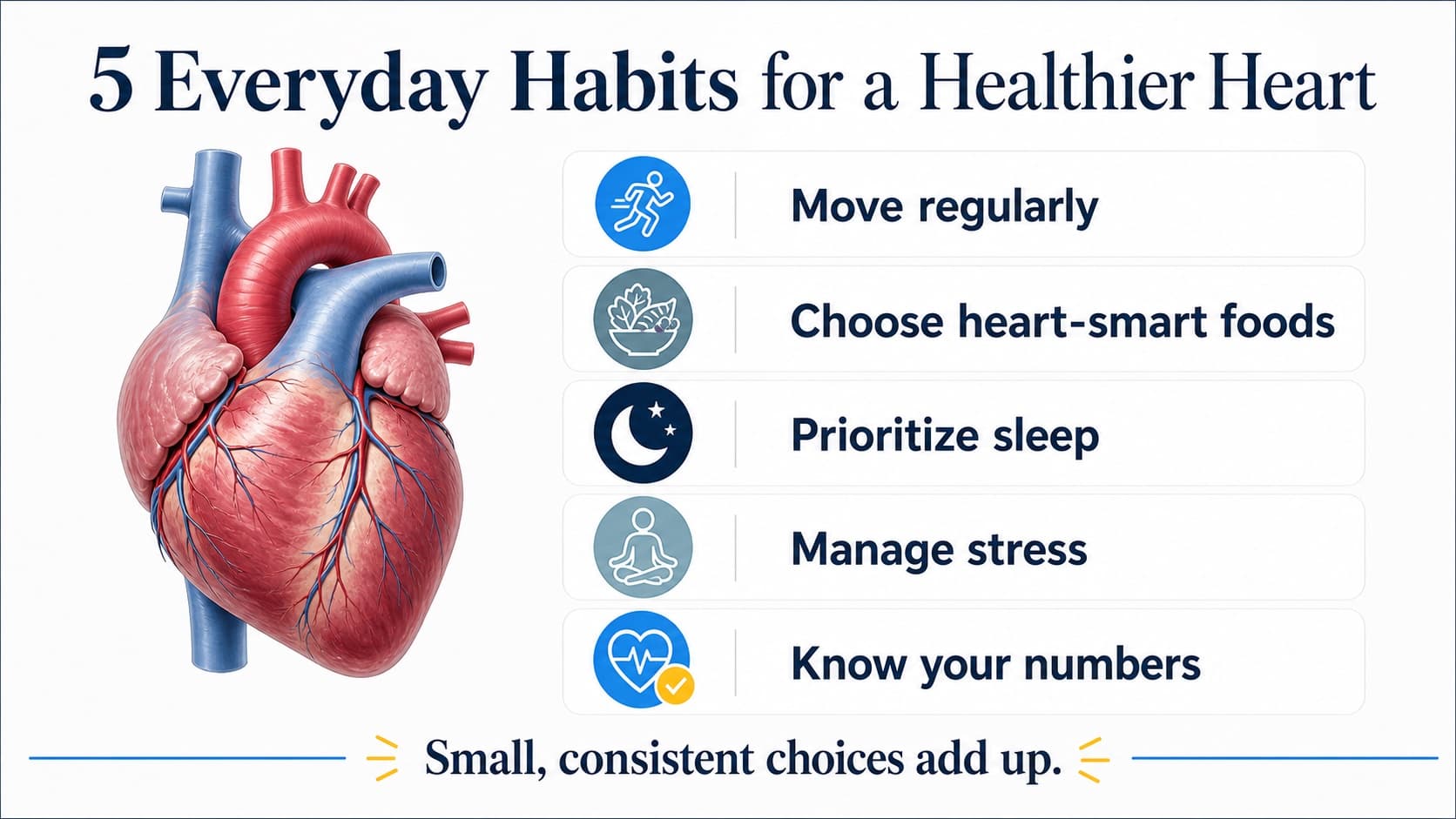
Heart Health · By Total Access Medical ·
5 Everyday Habits for a Healthier Heart
Support long-term heart health with five practical habits for movement, nutrition, sleep, stress management, and preventive care.
Chronic stress is linked to increased bone marrow activity and inflammation in the arteries, which can cause heart attack and stroke.
Stress Management · By William Kirkpatrick ·
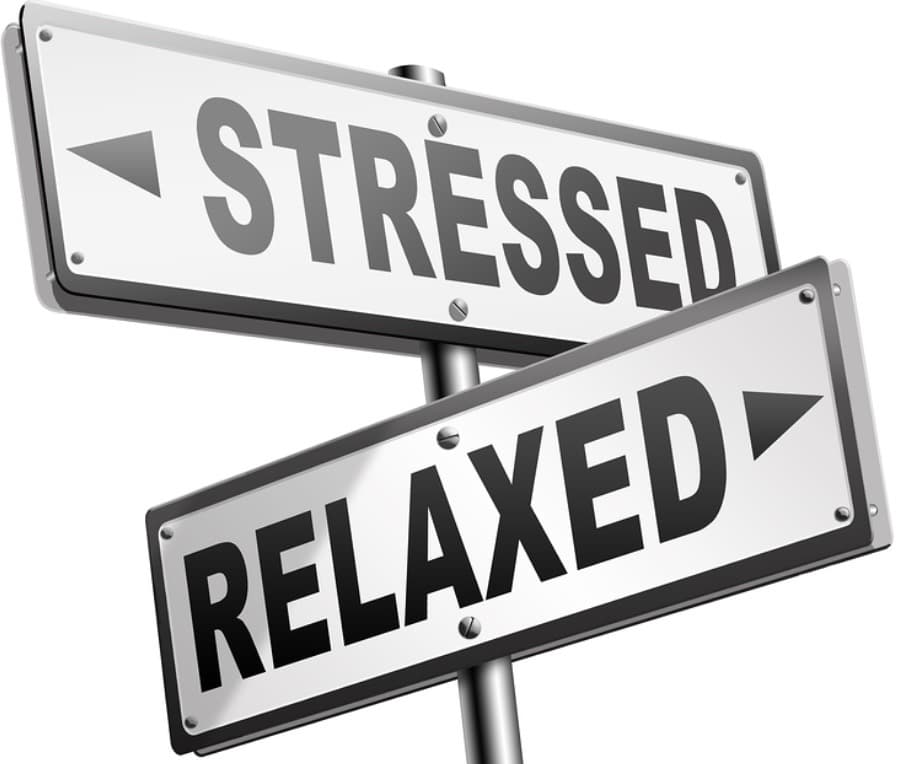
You're stuck in line at airport security and your plane leaves in 10 minutes. You become antsy. As your breath quickens and your muscles tense, your anxiety builds and it feels like you're on the verge of a heart attack.
What you're experiencing is the "fight-or-flight" response. In a stressful situation, your body prepares you for action and releases chemicals such as cortisol and epinephrine, also know as adrenaline. This response is supposed to protect you.
But, chronic stress has been linked to a wide range of harmful health effects. It can interfere with your mood, sleep, and appetite.
High levels of cortisol from long-term, chronic stress can increase blood cholesterol, triglycerides, and blood pressure. These are common risk factors for heart disease.
Chronic stress is also linked to increased bone marrow activity and inflammation in the arteries, which can cause heart attack and stroke.
In addition, stress can also lead us into other heart-damaging behaviors. People who have a lot of stress may smoke or choose other unhealthy ways to deal with that stress.
Some people turn to comfort foods—like fast food, pie, and candy—when they're stressed. These high-fat, high-cholesterol foods contribute to the artery damage that causes heart attacks and strokes.
In conclusion, stress can lead to heart disease and stroke and it's made worse through established pathways such as smoking, drinking or turning to comfort foods. Breaking this connection is a matter of both relieving stress and managing the unhealthy habits it triggers.
Managing Stress
Everyone responds to stress differently. While some react strongly to a situation, others may be relaxed and unconcerned. Luckily, you can decrease the effect of stress on your body through mindfullness training or meditation, which focuses on being present in the moment. You consciously zone in on, or focus your attention on, specific thoughts or sensations, and then observe them in a non-judgmental manner.
This practice of inward-focused thought and deep breathing has been shown to reduce heart disease risk factors such as high blood pressure.
Anyone can learn to meditate. Just take a few minutes to sit somewhere quiet, close your eyes, and focus on your breathing.
Questions or comments? Please fill out the form below.
Heart Health · By Total Access Medical ·
Support long-term heart health with five practical habits for movement, nutrition, sleep, stress management, and preventive care.

Stress Management · By Total Access Medical ·
Researchers have determined that chronic stress may be one of the factors involved in the development of Alzheimer’s disease.

Stress Management · By Total Access Medical ·
A new analysis finds that exercise is more beneficial for conditions such as anxiety and depression than standard psychotherapy or medications.

Unhurried, deeply personal primary care from a physician who truly knows you.
Questions? Speak directly with our team
610-667-9980