
Heart Health · By Total Access Medical ·
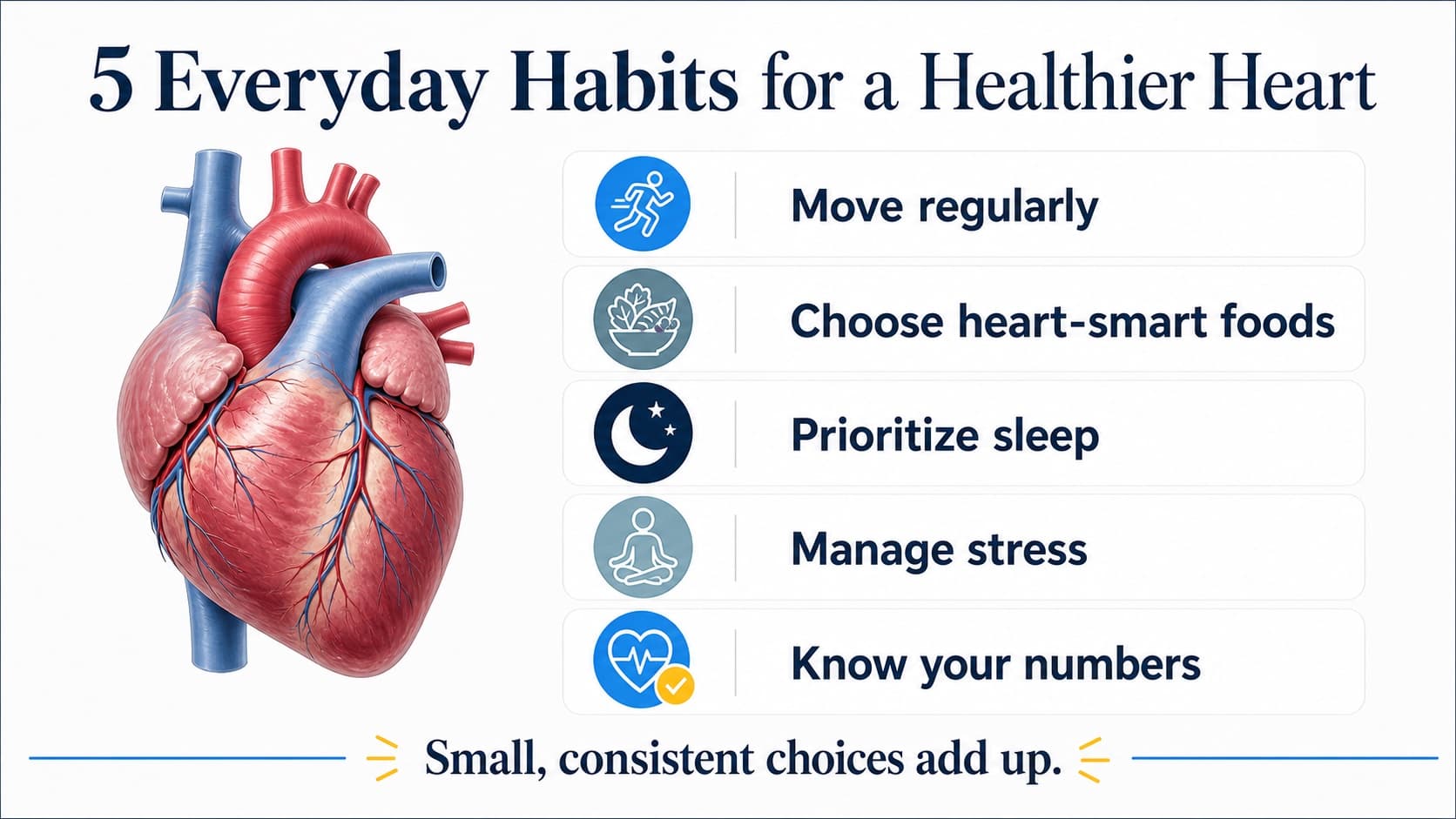
5 Everyday Habits for a Healthier Heart
Support long-term heart health with five practical habits for movement, nutrition, sleep, stress management, and preventive care.
Being physically fit is known to bring a range of health benefits — from staving off metabolic diseases to offering protection against heart disease.
Exercise · By Total Access Medical ·
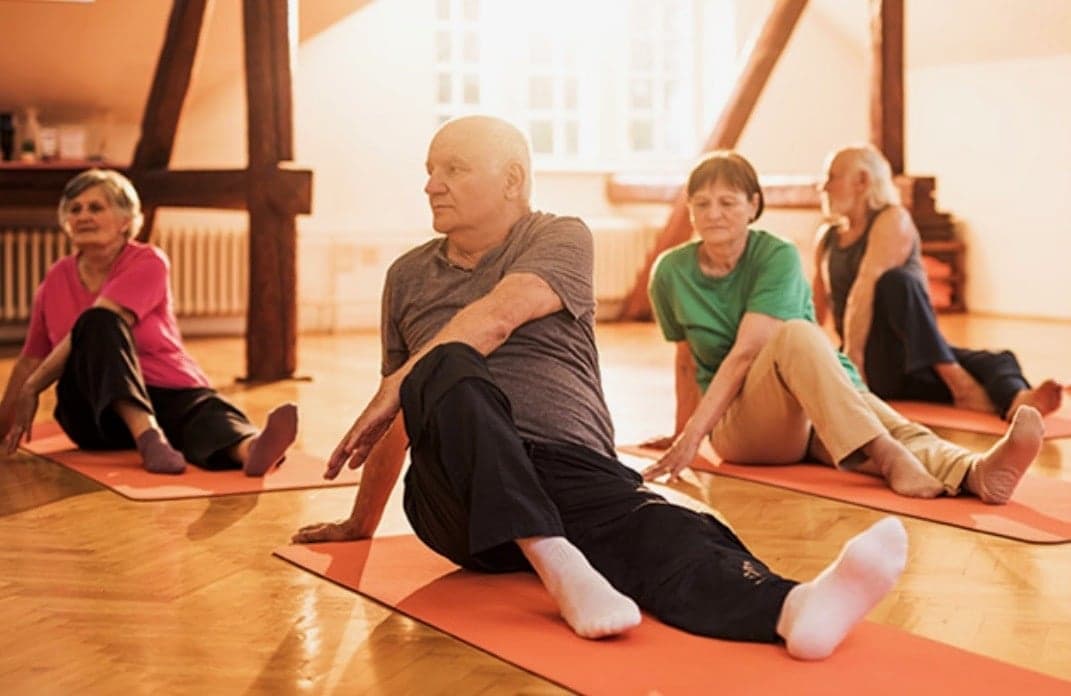
Dementia is not a specific disease. Rather it is a general term for a range of neurodegenerative diseases characterized by progressive memory loss and other cognitive impairments. It affects approximately 50 million people worldwide, according to the World Health Organization (WHO).
Dementia is most common among older adults, and a recent report suggests that more women live with Alzheimer's disease — a form of dementia — than men.
Many risk factors for dementia are related to lifestyle including high blood pressure, type 2 diabetes, smoking and depression, which means that by changing certain habits and leading a more healthful life, a person's risk of dementia can be decreased.
A new study from the University of Gothenburg in Sweden has now found that women who are very physically fit in middle age have an almost 90% decreased risk of being diagnosed with dementia later in life, unlike their moderately fit peers.
Fitness Cuts Risk By 88%
For the purpose of the study, the researchers worked with 191 women, aged 50, on average. The participants' cardiovascular fitness (their ability to sustain physical effort over a prolonged period) was assessed through a bicycle exercise test.
The researchers asked the women to participate in the exercise until they felt physically exhausted; this allowed the researchers to establish what each participant's peak cardiovascular capacity was.
Noteworthy: The Individual Cost of being Obese in America
Noteworthy: What Happens to Your Joints and Cartilage as You Grow Older?
Noteworthy: New Study: Physical Inactivity Increases Risk of Bladder & Kidney Cancer
The participants were then followed-up over a period of 44 years, during which time they were assessed for dementia six times. During that time, 44 of the participants developed the condition.
Of the women who scored as highly fit, only 5% were diagnosed with dementia in that 44-year interval. In contrast, 25% of the moderately fit participants and 32% of the women with low physical fitness levels developed the disease.
In other words, the women who were highly fit in middle age had an 88% lower risk of dementia than their moderately fit counterparts.
Also, the highly fit women who ended up receiving a dementia diagnosis did so at a much later stage in their lives — 11 years later, on average, than moderately fit women.
Another notable finding is that among the women who had been forced to cease exercise participation due to cardiovascular problems, 45% went on to develop dementia. This indicates that negative cardiovascular processes may be happening in midlife that could increase the risk of dementia much later in life.
Heart Health · By Total Access Medical ·
Support long-term heart health with five practical habits for movement, nutrition, sleep, stress management, and preventive care.

Exercise · By Total Access Medical ·
Exercise is not just “good for you”—it’s one of the most effective tools women have for reducing the risk of breast cancer coming back.

Aging · By Total Access Medical ·
Getting enough sleep and doing moderate-to-vigorous exercise can help with healthy aging, according to a study published in the journal JAMA Network Open.

Unhurried, deeply personal primary care from a physician who truly knows you.
Questions? Speak directly with our team
610-667-9980