
Heart Health · By Total Access Medical ·
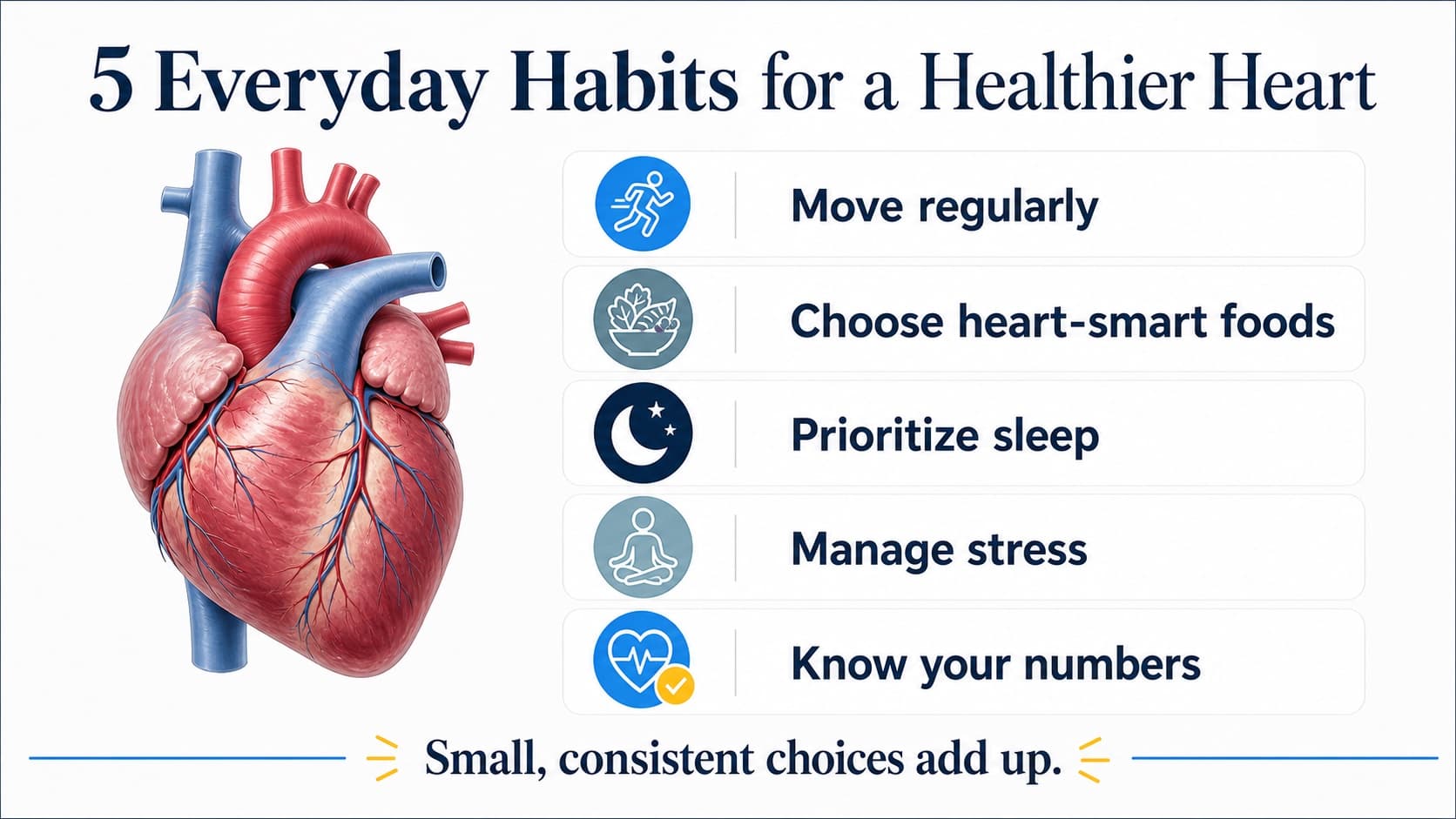
5 Everyday Habits for a Healthier Heart
Support long-term heart health with five practical habits for movement, nutrition, sleep, stress management, and preventive care.
Exercise is not just “good for you”—it’s one of the most effective tools women have for reducing the risk of breast cancer coming back.
Exercise · By Total Access Medical ·

For women who have been treated for breast cancer, the question that often follows is: What can I do to keep it from coming back? While there’s no single guarantee against recurrence, research shows one strategy stands above most others—regular physical activity. Exercise isn’t just beneficial for overall health; it plays a meaningful role in lowering the risk of breast cancer returning.
Even after treatment ends, the body continues recovering and recalibrating. Lifestyle habits during this period can influence long-term outcomes. Exercise helps counter many of the conditions that contribute to recurrence, including:
By addressing several biological pathways at once, physical activity becomes a powerful form of prevention.
Numerous studies have linked regular exercise to a lower likelihood of breast cancer coming back. Women who engage in moderate physical activity (like brisk walking) for at least 150 minutes per week have shown recurrence risk reductions of up to 30%. More active women often see even greater benefit.
This applies to both pre- and postmenopausal women and is especially impactful in estrogen receptor–positive cancers, where hormone levels play a major role.
Here are the key ways physical activity supports long-term protection:
1. Regulates Hormones
Estrogen can fuel the growth of certain breast cancers. Exercise helps lower estrogen levels and reduce its activity in the body.
2. Improves Insulin Sensitivity
High insulin levels and insulin resistance are linked to recurrence. Physical activity improves glucose metabolism and reduces circulating insulin.
3. Lowers Inflammation
Chronic inflammation is a known driver of cancer growth and return. Exercise helps dampen inflammatory markers throughout the body.
4. Supports Healthy Body Composition
Maintaining or reducing body fat—especially around the abdomen—helps reduce estrogen production and cancer-promoting metabolic changes.
5. Strengthens the Immune System
Exercise enhances immune surveillance, helping the body better identify and eliminate abnormal cells.
There’s no one-size-fits-all approach, but combining different forms of movement provides the most benefit:
Even light movement—like walking after meals—can help. The goal is consistency, not perfection.
Most research supports:
However, starting small is completely fine. Any increase in activity is better than none, especially for those recovering from treatment-related fatigue or physical limitations.
It’s never too late. Studies show that women who begin exercising after treatment still see meaningful reductions in recurrence risk, regardless of previous activity levels.
Exercise after breast cancer also leads to:
Exercise is not just “good for you”—it’s one of the most effective tools women have for reducing the risk of breast cancer coming back. You don’t need to train like an athlete to benefit. Regular movement, done consistently and tailored to your abilities, can make a real difference in long-term outcomes.
If you've completed treatment or are in survivorship, talk to your doctor about an exercise plan that works with your current health and energy level. Your future health may depend on it.
Heart Health · By Total Access Medical ·
Support long-term heart health with five practical habits for movement, nutrition, sleep, stress management, and preventive care.

Aging · By Total Access Medical ·
Getting enough sleep and doing moderate-to-vigorous exercise can help with healthy aging, according to a study published in the journal JAMA Network Open.

Stress Management · By Total Access Medical ·
A new analysis finds that exercise is more beneficial for conditions such as anxiety and depression than standard psychotherapy or medications.

Unhurried, deeply personal primary care from a physician who truly knows you.
Questions? Speak directly with our team
610-667-9980