

By Total Access Medical ·
The Secret Ingredients to Longevity: Social Connections and Purpose
Longevity isn’t only about diet and exercise. Discover how relationships, community, and purpose drive healthy aging and extend your lifespan.
Do the fruits and vegetables you eat contain pesticides? This article presents a list of contaminated fruits and vegetables.
By Total Access Medical ·
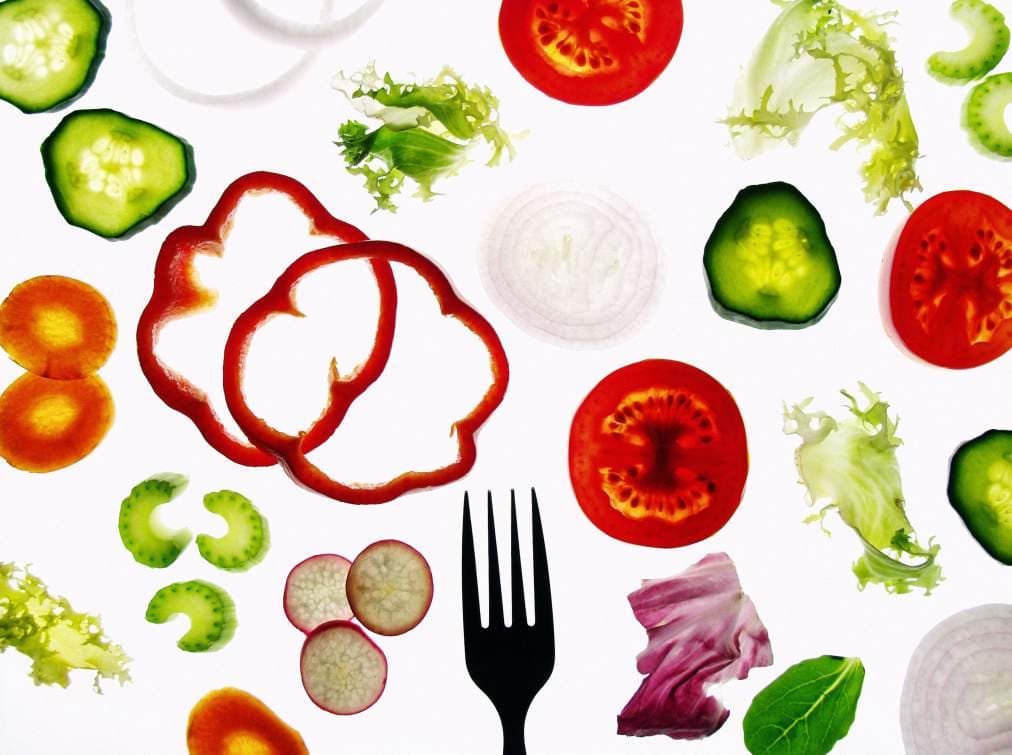
A recent report by EWG used US Department of Agriculture test data to rank 46 foods that are the most and least contaminated with pesticide residues.
Avoiding pesticides is critical for babies and children because of the damage they can cause to the developing brain. A 2020 study found an increase in IQ loss and intellectual disability in children due to exposure to organophosphates, a common class of pesticides.
The most contaminated (Dirty Dozen) fruits include peppers, oranges, apples, grapes and cherries, which are often contaminated with chlorpyrifos, a pesticide originally created as an alternative to DDT. Chlorpyrifos was slated to be permanently banned in the US in 2016 when EPA safety experts determined it was harming children and farm workers. One study, for example, found lasting structural changes in the brains of pre-teen children who had been highly exposed to chlorpyrifos in utero.
The cleanest fruits (Clean 15) include pineapple, papaya, kiwi, honeydew melon, cantaloupe and avocado. Avocados and sweet corn were the least contaminated, the report found, with less than 2% of samples showing detectable pesticide residue. Other vegetables on this list include sweet corn, onions, frozen peas, eggplant, asparagus, broccoli, cabbage, cauliflower and mushrooms.
The list below is from EWG and it shows which foods have the most pesticides (Dirty 12) and least pesticides (Clean 15):
Besides eating exclusively from the "Clean Fifteen" list of the least contaminated foods, experts suggest the following tips:
Eat a wide variety of fruits and vegetables. Serving a wide variety of fruits and vegetables, regardless of which list they're on, is a key recommendation. It's important, not only from the perspective of making sure you're getting a variety of nutrients, but also from the perspective of making sure you're not concentrating any particular pesticide in your diet.
Always wash before eating. Washing with water is the best way to remove surficial pesticide residues. The US Food and Drug Administration recommends against washing fruits and vegetables with soap, detergent, or commercial produce wash. Produce is porous. Soap and household detergents can be absorbed by fruits and vegetables, despite thorough rinsing, and can make you sick.
Eat organic when possible. While organic foods can be exposed to pesticides -- and can certainly contain toxic metals found in soil -- clinical trials have found people who moved to organic foods saw "rapid and dramatic reductions" in the levels of pesticides in their urine, a common test for pesticide exposure.
Buy local and in season. "Farm-to-table" -- a term that describes food that is locally sourced and purchased directly from a farmer or producer, is not only popular in homes and restaurants, it can cut down on pesticide use, experts say.
Prices drop when fruits and vegetables are in season and plentiful, and targeting in-season items is a good way to stock up on organic foods -- especially those on the "Dirty Dozen" list -- that might be more expensive at other times.
Freeze or can organic foods. Overfill your shopping cart with organic fruits and vegetables on sale or in season, experts suggest, and then prep and freeze or can them for future use.
By Total Access Medical ·
Longevity isn’t only about diet and exercise. Discover how relationships, community, and purpose drive healthy aging and extend your lifespan.
By Total Access Medical ·
The real competitive advantage in health is not what you can force yourself to do for two weeks. It is what you can consistently execute for years.
By Total Access Medical ·
Most people think they eat well — they don’t. Learn how to strip away excuses, track what really goes in your body, and make nutrition work for you.

Unhurried, deeply personal primary care from a physician who truly knows you.
Questions? Speak directly with our team
610-667-9980