

By Total Access Medical ·
The Secret Ingredients to Longevity: Social Connections and Purpose
Longevity isn’t only about diet and exercise. Discover how relationships, community, and purpose drive healthy aging and extend your lifespan.
Stress is a natural reaction to life's demands, but chronic stress can have harmful effects. Learn what stress is and how it impacts your body and mind.
By Total Access Medical ·
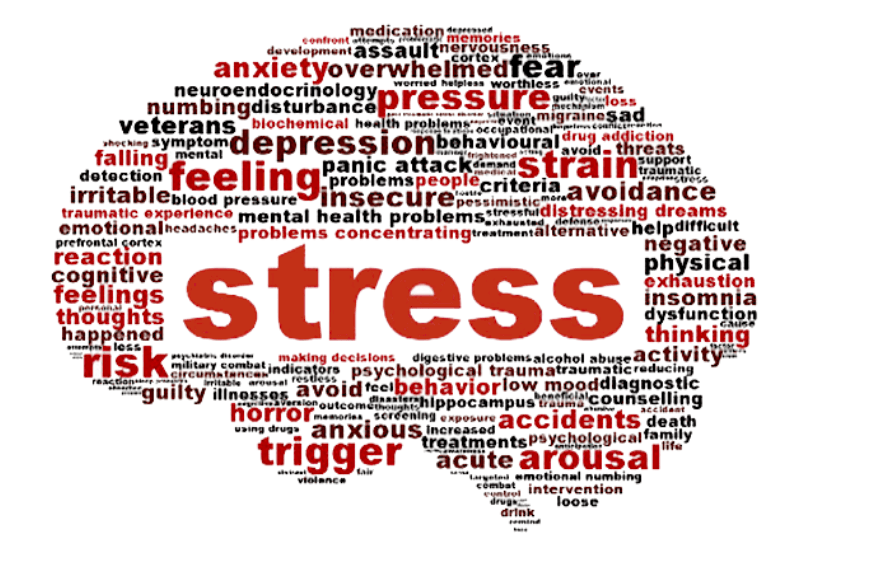
Stress is something that everyone experiences at some point in their lives. Whether it's a tight deadline at work, a family emergency, or the pressures of daily life, stress is a natural response to challenges and demands. But what exactly is stress, and why does it affect us in the way it does?
In this blog post, we’ll break down the basics of stress—what it is, how it works in the body, and the different types of stress that people experience. Understanding the fundamentals of stress can help you better manage it and take proactive steps toward maintaining a healthier, more balanced life.
At its core, stress is the body’s natural response to any situation or challenge that demands attention or action. This response involves a series of physical and mental reactions that prepare you to either face or avoid the threat, a process often referred to as the “fight or flight” response. The body releases hormones like adrenaline and cortisol, which increase heart rate, blood pressure, and alertness. This allows you to react quickly in dangerous or demanding situations.
While stress is a normal reaction, it can become problematic when it is constant or overwhelming. Chronic stress, over time, can have detrimental effects on both your physical and mental health.
When you encounter a stressful situation, your body goes through several stages in response. Here’s a breakdown of how the stress response works:
Not all stress is the same. Stress can be categorized into three different types: acute stress, episodic acute stress, and chronic stress. Each type has a different impact on the body and mind.
Acute stress is the most common type of stress and typically occurs in response to a specific event or situation. It is short-term and generally doesn’t cause lasting damage. For example, feeling stressed before a presentation or an important meeting is a form of acute stress. Once the situation passes, your body returns to its normal state.
Episodic acute stress occurs when someone experiences frequent episodes of acute stress. This can be due to an unpredictable and chaotic lifestyle, where you’re constantly facing one stressful event after another. It’s often linked to people who have a tendency to worry excessively or those who struggle to manage their time and responsibilities.
Chronic stress is long-term and persistent. It occurs when a person feels trapped in a stressful situation with no way out. This could be related to ongoing problems such as a difficult job, a toxic relationship, or financial struggles. Chronic stress can be harmful to both the body and mind, leading to a variety of health problems such as heart disease, depression, and anxiety disorders.
While stress is a natural part of life, chronic stress can have a major impact on your health. Some of the physical effects of long-term stress include:
By Total Access Medical ·
Longevity isn’t only about diet and exercise. Discover how relationships, community, and purpose drive healthy aging and extend your lifespan.

By Total Access Medical ·
The real competitive advantage in health is not what you can force yourself to do for two weeks. It is what you can consistently execute for years.

By Total Access Medical ·
Most people think they eat well — they don’t. Learn how to strip away excuses, track what really goes in your body, and make nutrition work for you.

Unhurried, deeply personal primary care from a physician who truly knows you.
Questions? Speak directly with our team
610-667-9980