

By Total Access Medical ·
The Secret Ingredients to Longevity: Social Connections and Purpose
Longevity isn’t only about diet and exercise. Discover how relationships, community, and purpose drive healthy aging and extend your lifespan.
What you eat impacts colon health. Learn which foods can help reduce your risk of colorectal cancer and promote digestive wellness.
By Total Access Medical ·
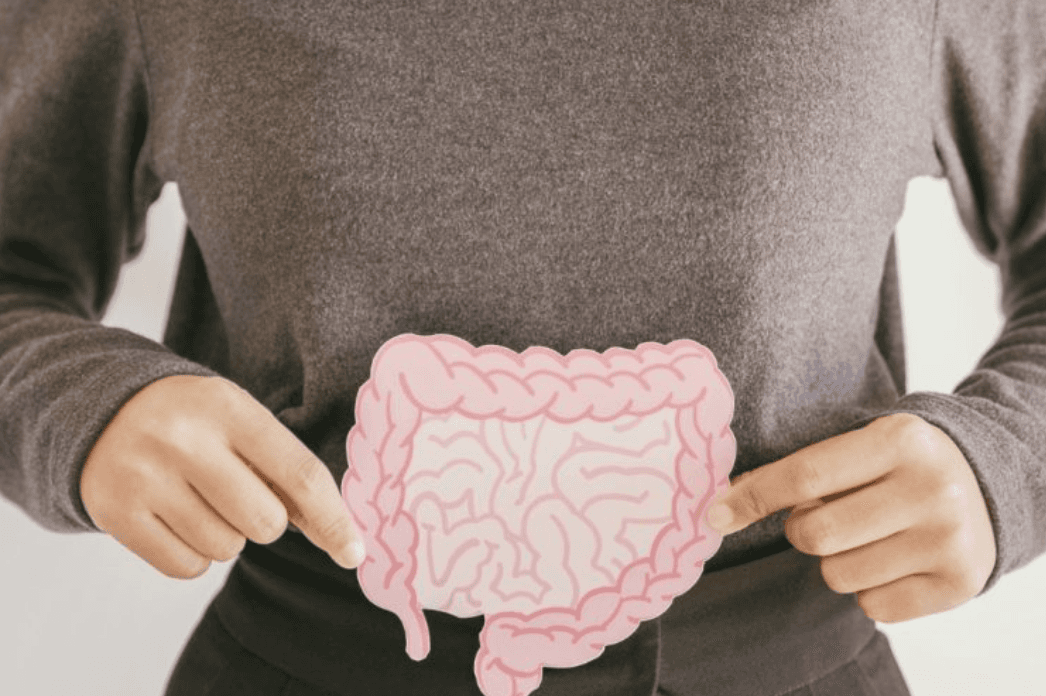
Maintaining a healthy colon is essential for overall well-being, and diet plays a crucial role in promoting optimal colon function and reducing the risk of colorectal diseases. The foods you eat influence digestion, gut bacteria, and inflammation levels, all of which impact colon health. A balanced diet rich in fiber, essential nutrients, and beneficial compounds can help support a healthy digestive system and lower the risk of colorectal cancer.
1. The Importance of Fiber
Fiber is one of the most essential nutrients for colon health. It aids digestion, prevents constipation, and supports the growth of beneficial gut bacteria. There are two types of fiber:
2. Probiotics and Prebiotics
A well-balanced gut microbiome is essential for colon health, and probiotics and prebiotics play a key role:
3. The Impact of Red and Processed Meats
Diets high in red and processed meats have been linked to an increased risk of colorectal cancer. Studies suggest that compounds formed during the processing and cooking of these meats may contribute to inflammation and DNA damage in colon cells. Reducing the consumption of processed meats and choosing lean protein sources like poultry, fish, and plant-based proteins can benefit colon health.
4. Antioxidants and Anti-Inflammatory Foods
Antioxidants help protect cells from damage that may lead to colon diseases. Foods rich in antioxidants and anti-inflammatory compounds include:
5. Hydration and Colon Health
Proper hydration is essential for smooth digestion and preventing constipation. Drinking plenty of water helps fiber work effectively by softening stool and allowing waste to move efficiently through the colon. Herbal teas and water-rich foods, like cucumbers and watermelon, can also contribute to hydration.
6. Limiting Alcohol and Sugary Foods
Excessive alcohol consumption and diets high in added sugars can disrupt gut bacteria, increase inflammation, and raise the risk of colorectal diseases. Moderation is key when consuming alcohol, and opting for natural sources of sugar, such as fruit, can help maintain a balanced digestive system.
7. Lifestyle Factors for a Healthy Colon
In addition to diet, certain lifestyle habits can support colon health:
A well-balanced diet rich in fiber, probiotics, antioxidants, and hydration is key to maintaining a healthy colon. Avoiding processed meats, limiting alcohol, and incorporating whole foods can significantly reduce the risk of colorectal diseases. Combined with an active lifestyle and regular screenings, these dietary choices contribute to long-term colon health and overall well-being.
By Total Access Medical ·
Longevity isn’t only about diet and exercise. Discover how relationships, community, and purpose drive healthy aging and extend your lifespan.

By Total Access Medical ·
The real competitive advantage in health is not what you can force yourself to do for two weeks. It is what you can consistently execute for years.
By Total Access Medical ·
Most people think they eat well — they don’t. Learn how to strip away excuses, track what really goes in your body, and make nutrition work for you.

Unhurried, deeply personal primary care from a physician who truly knows you.
Questions? Speak directly with our team
610-667-9980