

By Total Access Medical ·
The Secret Ingredients to Longevity: Social Connections and Purpose
Longevity isn’t only about diet and exercise. Discover how relationships, community, and purpose drive healthy aging and extend your lifespan.
Not all clothes offer equal sun protection. Find out what to wear—and what to avoid—for maximum UV defense.
By Total Access Medical ·
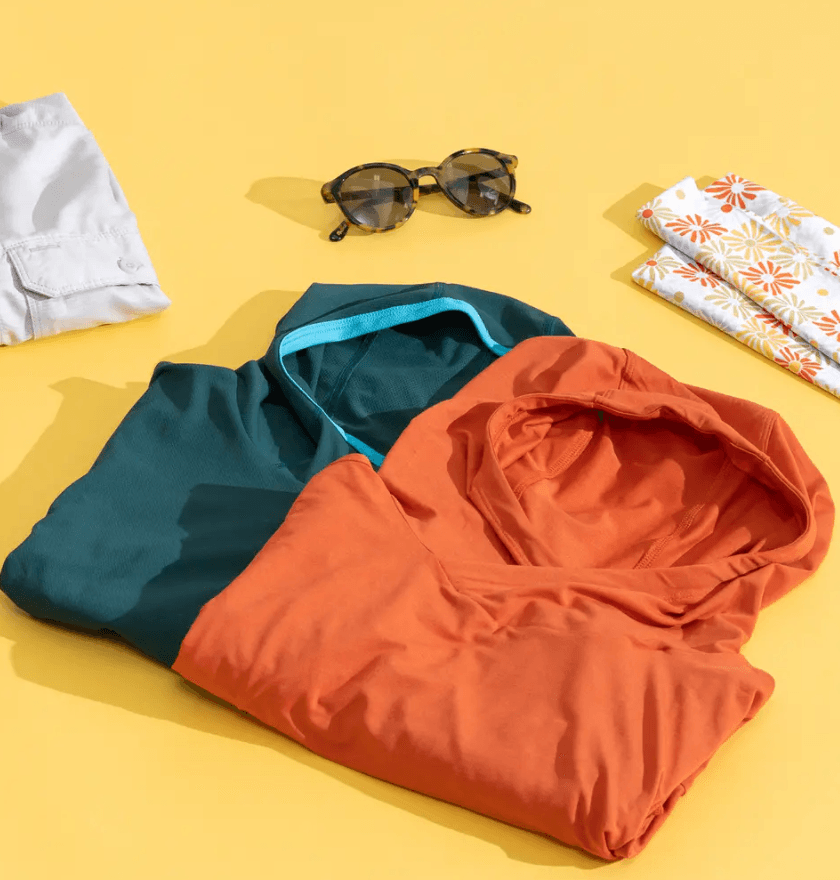
When we think about sun protection, sunscreen often takes center stage. But there’s another highly effective—and often overlooked—form of defense against harmful UV rays: your clothing. What you wear can make a significant difference in how much UV radiation reaches your skin. The right fabrics and designs can block UV exposure and reduce your risk of sunburn, skin aging, and skin cancer.
However, not all clothing offers equal protection. Here's what you need to know about what works and what doesn’t when it comes to sun-protective clothing.
How Clothing Protects Your Skin
Clothing provides a physical barrier between your skin and the sun, and its effectiveness depends on several factors: fabric type, weave density, color, fit, and whether it’s been treated with UV-inhibiting technology. Some clothes are designed and tested specifically to offer high levels of UV protection and come labeled with a UPF rating.
What is UPF?
UPF stands for Ultraviolet Protection Factor. It measures how much UV radiation a fabric allows to reach your skin. A shirt with a UPF of 50 blocks 98% of the sun’s rays, allowing only 2% to penetrate. Here's a quick breakdown:
Unlike SPF, which only applies to sunscreen and UVB protection, UPF measures both UVA and UVB blocked by fabric. Look for clothing labeled UPF 30 or higher for meaningful sun safety.
What Kind of Clothing Works Best?
Tightly woven fabrics like denim, polyester, nylon, and some blends do a better job of blocking UV rays. Dark or bright colors absorb more UV radiation than lighter shades, meaning less reaches your skin. Long-sleeved shirts, long pants, and wide-brimmed hats naturally provide more coverage.
Loose-fitting clothing is also beneficial because stretched fabric can allow more UV to pass through. Special sun-protective garments are made with UV-blocking fabric and are often more breathable, moisture-wicking, and comfortable in hot weather than you might expect.
What Doesn’t Work?
Lightweight, thin, or loosely woven fabrics like white cotton t-shirts often offer minimal protection—sometimes as low as UPF 5. If you can see light through the fabric, UV rays can likely pass through too. Wet clothing, especially light-colored cotton, loses much of its protective value, making it easier for UV rays to penetrate.
Worn or threadbare garments also provide less protection. Over time, repeated washing and stretching can degrade a fabric’s UV-blocking ability unless it’s specially treated to retain UPF over many washes.
Tips for Choosing and Using Sun-Protective Clothing
Sun Protection Is More Than Sunscreen
Clothing is one of the easiest and most consistent ways to protect your skin from UV damage. While sunscreen can wear off or be forgotten, your clothes are a built-in barrier that stays with you all day—if you choose wisely. Investing in a few good sun-protective garments can help you enjoy time outdoors more safely, all summer and beyond.
Whether you're at the beach, out for a hike, or just walking the dog, what you wear matters. Dress smart to stay sun-safe.
By Total Access Medical ·
Longevity isn’t only about diet and exercise. Discover how relationships, community, and purpose drive healthy aging and extend your lifespan.

By Total Access Medical ·
The real competitive advantage in health is not what you can force yourself to do for two weeks. It is what you can consistently execute for years.

By Total Access Medical ·
Most people think they eat well — they don’t. Learn how to strip away excuses, track what really goes in your body, and make nutrition work for you.

Unhurried, deeply personal primary care from a physician who truly knows you.
Questions? Speak directly with our team
610-667-9980