

Alzheimer's · By Total Access Medical ·
FDA Advisers endorse Early-Stage Alzheimer’s Drug, Donanemab
The FDA voted to endorse donanemab, a monoclonal antibody that is designed to slow the development of early symptomatic Alzheimer disease.
Discover how a plant-centric diet lowers Alzheimer's risk. Learn the power of plant-based choices in brain health.
Alzheimer's · By Total Access Medical ·
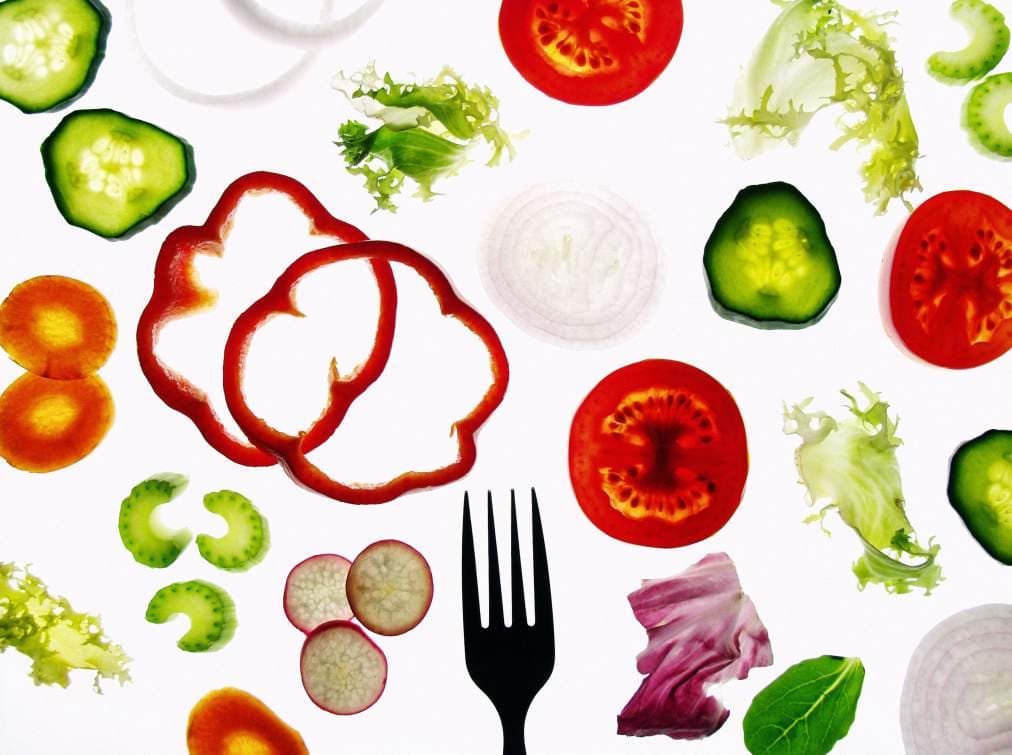
In today's fast-paced world, the focus on health and longevity has never been more critical. Recent research sheds light on a compelling strategy to reduce the risk of Alzheimer's disease: embracing a plant-centric diet while moderating meat consumption.
Alzheimer's, a neurodegenerative disease affecting millions worldwide, has prompted extensive studies seeking preventive measures. Excitingly, findings suggest that dietary choices play a pivotal role in lowering this risk.
Studies indicate a significant correlation between a plant-rich diet and a reduced likelihood of developing Alzheimer's. High consumption of vegetables, fruits, nuts, seeds, and whole grains showcases promising protective effects on brain health.
Conversely, excessive consumption of red meat and processed meats seems to contribute to a heightened risk of cognitive decline and Alzheimer's. The emphasis on moderation or substitution with plant-based protein sources appears crucial in mitigating this risk.
Why does a plant-based diet offer such protective benefits?
Rich in antioxidants, vitamins, and minerals, plant-based foods possess anti-inflammatory properties that support overall brain health. Moreover, they contribute to a diverse gut microbiome, positively impacting brain function.
The role of meat in Alzheimer's risk cannot be understated. Studies highlight how high intake of certain meats might trigger inflammation, oxidative stress, and other processes detrimental to brain health.
Transitioning to a plant-focused diet doesn't necessarily mean complete elimination of meat. Instead, it advocates for a shift towards a predominantly plant-based plate, balancing the consumption of lean, high-quality meats with an abundance of plant-derived nutrients.
The potential impact of dietary changes in reducing Alzheimer's risk is empowering. By making conscious choices in our meals, we can proactively safeguard our brain health. Embracing colorful salads, hearty legumes, nourishing nuts, and vibrant fruits can be more than a culinary delight; it can be a powerful shield against cognitive decline.
In conclusion, the evidence supporting the link between diet and Alzheimer's risk underscores the importance of our food choices. A shift towards a plant-centric diet with mindful moderation of meat intake not only benefits our overall health but also serves as a proactive step in reducing the risk of Alzheimer's disease.
Alzheimer's · By Total Access Medical ·
The FDA voted to endorse donanemab, a monoclonal antibody that is designed to slow the development of early symptomatic Alzheimer disease.

Alzheimer's · By Total Access Medical ·
Being a caregiver to a loved one with dementia is an incredibly rewarding experience, yet it's also a difficult one.

Alzheimer's · By Total Access Medical ·
Learning about the two terms and the difference between them is important and can empower individuals living with Alzheimer’s or another dementia, their families and their caregivers with necessary knowledge.

Unhurried, deeply personal primary care from a physician who truly knows you.
Questions? Speak directly with our team
610-667-9980