

By Total Access Medical ·
The Secret Ingredients to Longevity: Social Connections and Purpose
Longevity isn’t only about diet and exercise. Discover how relationships, community, and purpose drive healthy aging and extend your lifespan.
A healthy gut can play a role in colorectal cancer prevention. Learn how gut bacteria, fiber, and probiotics influence colon health.
By Total Access Medical ·
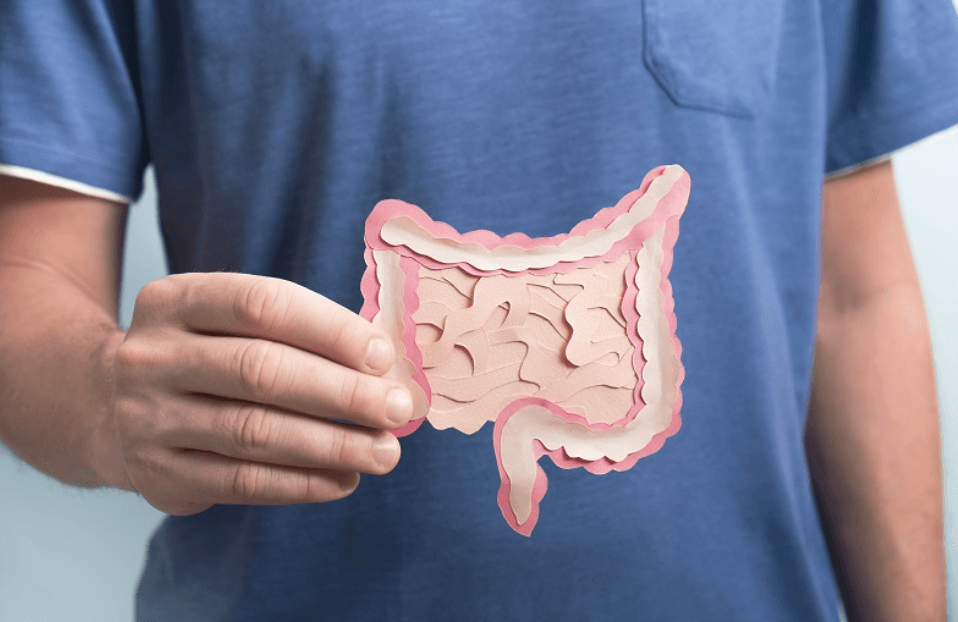
Maintaining gut health is essential for overall well-being, and emerging research highlights its critical role in preventing colorectal cancer. The gut microbiome, a complex community of bacteria and other microorganisms living in the digestive tract, influences digestion, immune function, and inflammation. An imbalance in these microbes can contribute to various health issues, including an increased risk of colorectal cancer. Here’s what you need to know about the connection between gut health and colorectal cancer.
1. The Role of the Gut Microbiome
The gut microbiome helps break down food, produce essential nutrients, and regulate inflammation. A healthy gut contains a balance of beneficial and harmful bacteria. When this balance is disrupted (a condition known as dysbiosis), it can lead to chronic inflammation, which has been linked to colorectal cancer development.
2. Inflammation and Colorectal Cancer
Chronic inflammation in the gut is a known risk factor for colorectal cancer. Certain harmful bacteria can cause prolonged inflammation, damage the intestinal lining, and promote cancerous growths. Conditions such as inflammatory bowel disease (IBD), Crohn’s disease, and ulcerative colitis further increase the risk of colorectal cancer due to sustained inflammation.
3. The Impact of Diet on Gut Health
What you eat plays a crucial role in shaping your gut microbiome and influencing colorectal cancer risk. A diet high in processed foods, red meats, and low in fiber can negatively impact gut bacteria, leading to inflammation and an increased risk of cancer. Conversely, a diet rich in fiber, fruits, vegetables, and fermented foods supports beneficial gut bacteria and reduces cancer risk.
4. Probiotics and Prebiotics for Gut Health
5. The Role of Short-Chain Fatty Acids
When gut bacteria ferment dietary fiber, they produce SCFAs like butyrate, which have anti-inflammatory and protective effects on colon cells. SCFAs help maintain a healthy gut lining, regulate immune responses, and reduce the risk of colorectal cancer.
6. Lifestyle Factors Affecting Gut Health
In addition to diet, lifestyle choices such as physical activity, stress management, and avoiding antibiotics overuse play a crucial role in maintaining gut health. Exercise has been shown to support a diverse microbiome, while chronic stress can disrupt bacterial balance.
7. Screening and Prevention
Regular colorectal cancer screenings, such as colonoscopies, are essential for early detection and prevention. If you have digestive issues, a family history of colorectal cancer, or conditions like IBD, discussing your gut health with a doctor can help assess your risk and develop a preventive plan.
A healthy gut microbiome is key to reducing the risk of colorectal cancer. By maintaining a balanced diet rich in fiber, consuming probiotics and prebiotics, and adopting healthy lifestyle habits, you can support gut health and lower your chances of developing colorectal cancer. Prioritizing gut health is an important step toward long-term digestive and overall well-being.
By Total Access Medical ·
Longevity isn’t only about diet and exercise. Discover how relationships, community, and purpose drive healthy aging and extend your lifespan.

By Total Access Medical ·
The real competitive advantage in health is not what you can force yourself to do for two weeks. It is what you can consistently execute for years.

By Total Access Medical ·
Most people think they eat well — they don’t. Learn how to strip away excuses, track what really goes in your body, and make nutrition work for you.

Unhurried, deeply personal primary care from a physician who truly knows you.
Questions? Speak directly with our team
610-667-9980