

By Total Access Medical ·
The Secret Ingredients to Longevity: Social Connections and Purpose
Longevity isn’t only about diet and exercise. Discover how relationships, community, and purpose drive healthy aging and extend your lifespan.
Healthy eating doesn’t have to be complicated. Use this plant-based protein guide if you feel overwhelmed by nutrition and diet advice.
By Total Access Medical ·
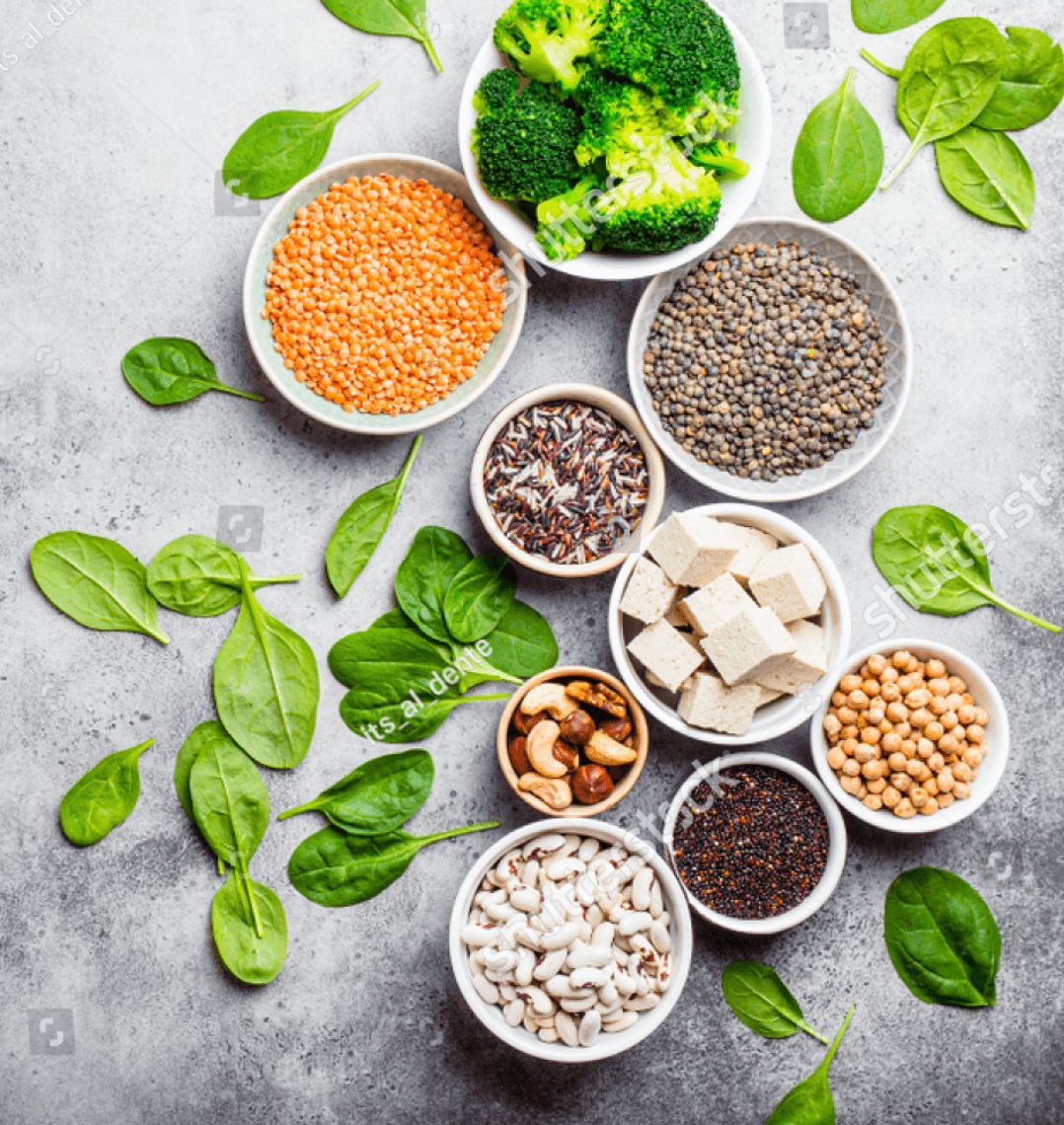
Plant-based foods typically contain fiber, which promotes good gut bacteria, smoother digestion, and, in the case of soluble fiber, better heart health.
Research has suggested that a plant-based diet could play a role in cancer prevention. Other studies have shown plant-based eating can be a helpful strategy for weight loss and type 2 diabetes management.
Beyond their advantages for personal wellness, proteins from plants also make a difference for the environment. In terms of land use, freshwater consumption, and greenhouse gas emissions, plant foods have a definite upper hand over animal products.
Drawbacks of plant-based protein
Despite their many benefits, proteins from plants do have some drawbacks.
Though most plant-based choices provide ample amounts of protein, in many cases, they simply can’t compete with the high levels in animal products like beef or chicken.
Similarly, don’t expect plant-based proteins to provide one-to-one levels of micronutrients with animal products. Many have lower amounts of B vitamins, iron, and vitamin D3.
It’s important to note that commercially prepared plant-based proteins are often processed. A diet high in processed foods has been linked to weight gain and a possible increased risk of cancer.
To distinguish your many plant protein options, here’s a look at the various categories:
Plant Protein types:
Plant-Based Protein | Service Size | Protein |
Edamame | 1/2 cup | 7 g |
Pea protein | 1 tbsp | 24 g |
Lentils | 1 cup, cooked | 18 g |
Beans and rice | 1 cup, cooked | 12 g |
Chia seeds | 2 tbsp | 5 g |
Quinoa | 1 cup | 8 g |
Chickpeas | 1 cup | 15 g |
Almonds | 1/4 cup | 6 g |
Green peas | 1/2 cup | 4 g |
Seitan | 1 oz. | 21 g |
Tofu | 3 oz. | 8 g |
By Total Access Medical ·
Longevity isn’t only about diet and exercise. Discover how relationships, community, and purpose drive healthy aging and extend your lifespan.

By Total Access Medical ·
The real competitive advantage in health is not what you can force yourself to do for two weeks. It is what you can consistently execute for years.
By Total Access Medical ·
Most people think they eat well — they don’t. Learn how to strip away excuses, track what really goes in your body, and make nutrition work for you.

Unhurried, deeply personal primary care from a physician who truly knows you.
Questions? Speak directly with our team
610-667-9980